
Vibration monitoring of compressors
Compressors are not motors with a different nameplate. A centrifugal, screw or reciprocating compressor carries its own failure modes: surge and rotating stall, impeller fouling, rotor-to-housing contact in screw elements, oil whirl and whip on journal bearings, and valve and discharge pulsation on reciprocating machines. Whether it is a packaged plant-air unit such as an Atlas Copco screw or centrifugal set, or a large process gas compressor, IRD measures casing and shaft vibration on the compressor itself and feeds alarms and trips straight to your PLC/DCS.
Why monitor compressors?
- Plant air and process gas are shared utilities: when a compressor trips, many lines stop together.
- See surge, fouling and bearing distress early on the compressor stage, not just on the driver motor.
- Use a key phaser (phase reference) on the compressor shaft for 1× phase, run-up/coast-down and balancing work.
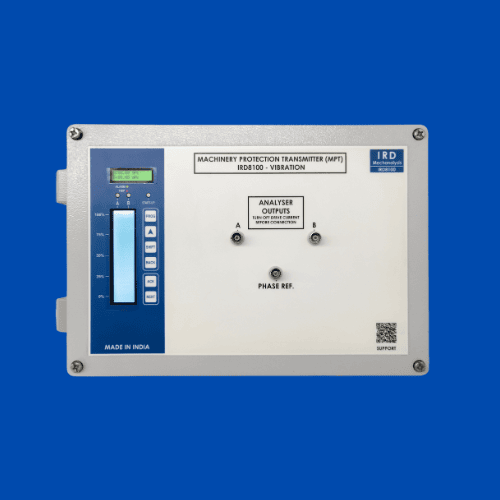
- On large journal-bearing compressors, add API 670 style shaft vibration and axial position with IRD8800.
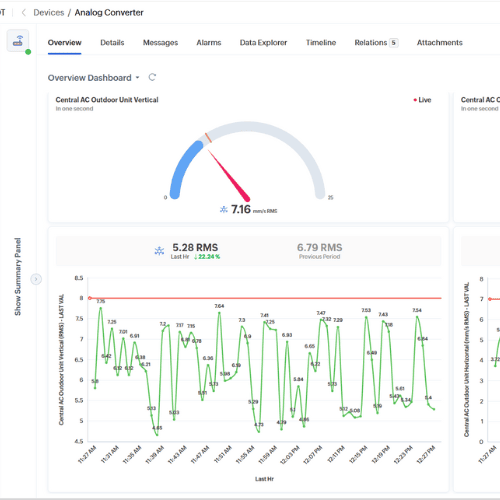
- Trend every compressor in the air house or process train with OLIVER and IRD Cloud.
In the field: Atlas Copco plant-air compressors
Atlas Copco packaged air compressors on site during IRD vibration commissioning (May 2026) — plant-air packages in a row with service piping, ready for casing sensors and continuous monitoring.
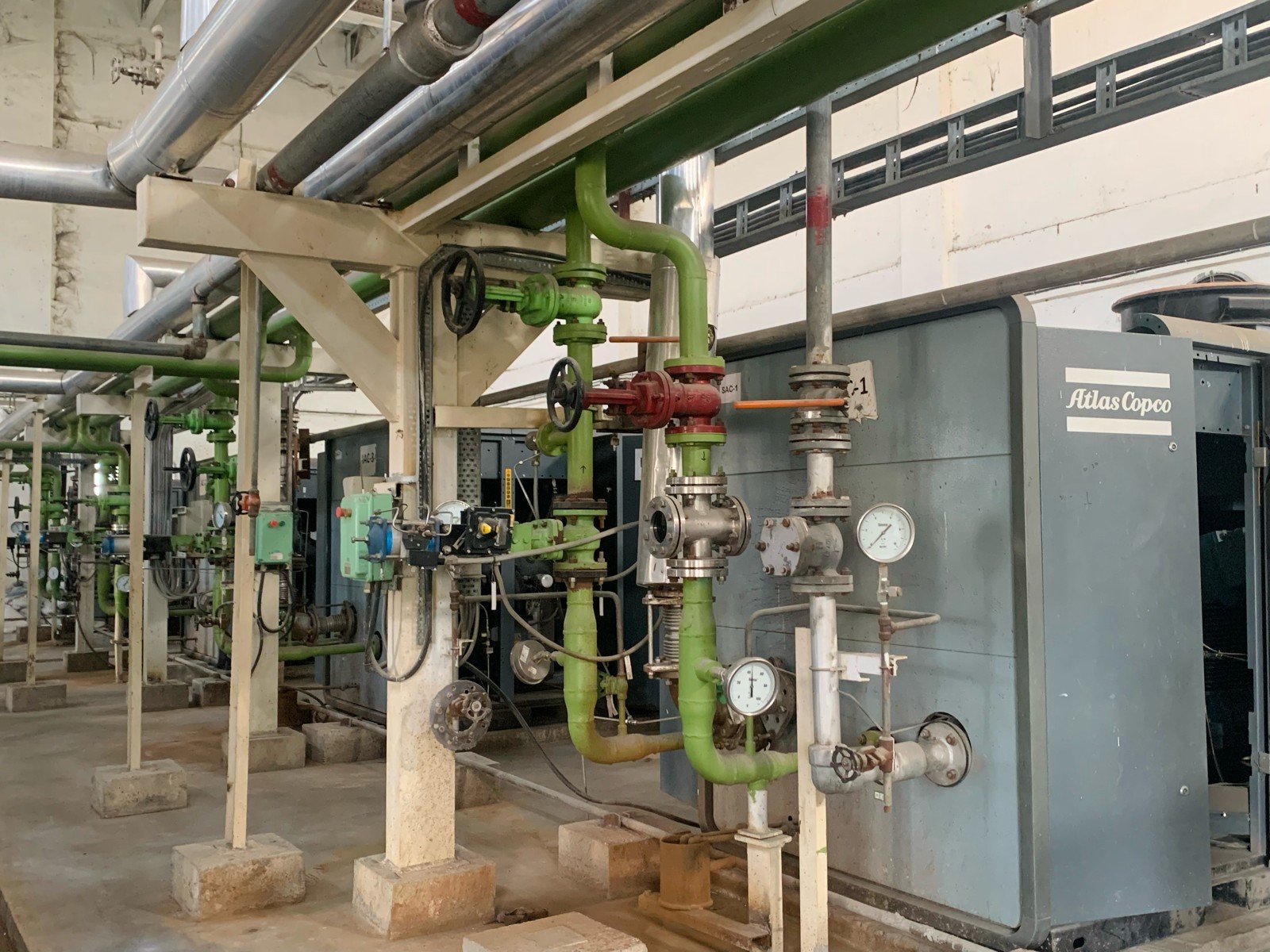
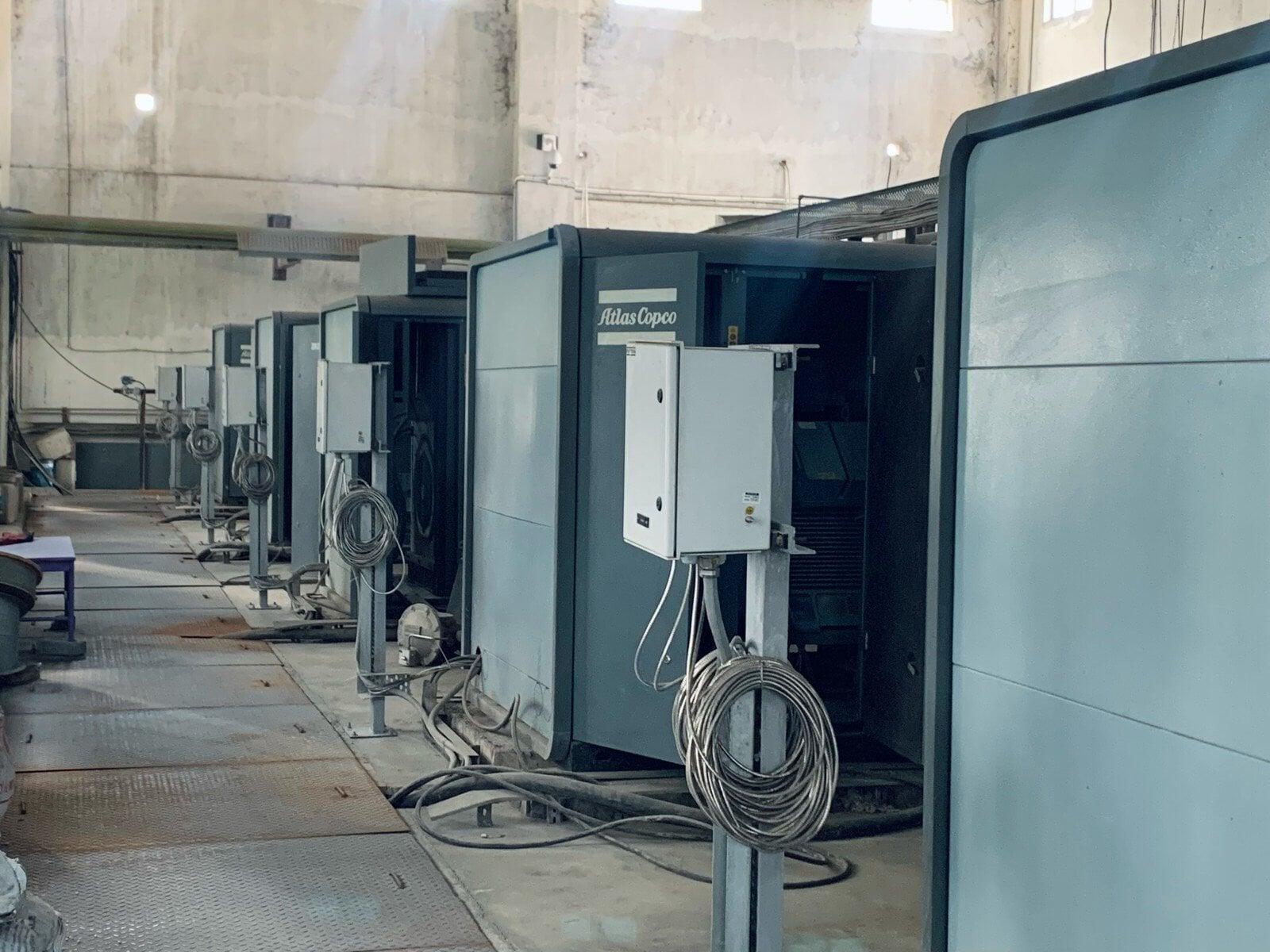
Commissioning tip: a key phaser needs a notch or keyway on the shaft to see. Packaged compressors often have none, so plan a small shaft notch (or reflective target) during a shutdown.
Compressor types we cover
Centrifugal
Plant-air and process stages with high-speed impellers. Watch for surge, impeller fouling and, on journal bearings, oil whirl/whip with eddy-current probes.
Screw (oil-flooded & oil-free)
Packaged units such as Atlas Copco GA/ZR. Track rotor-bearing wear, gear-mesh and lobe-pass frequencies, and male/female rotor contact.
Reciprocating
Low-speed, high-impact machines. Trend crankcase and crosshead vibration, valve problems and discharge pulsation.
Common compressor faults and how IRD helps
Impeller fouling / unbalance
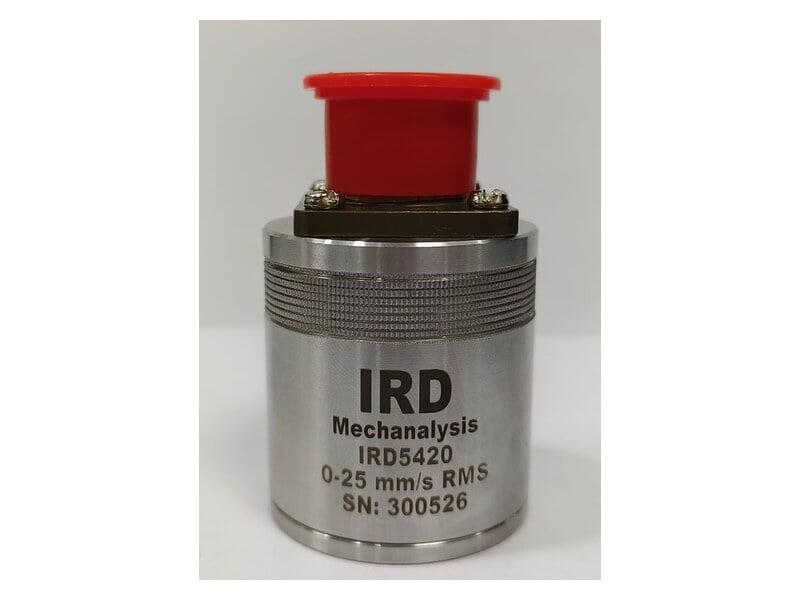
Deposits on the impeller or rotor raise 1× vibration slowly over weeks. Trend overall velocity with IRD5420 or IRD591; confirm in the field with the IRD202 Elite.
Coupling and gearbox misalignment
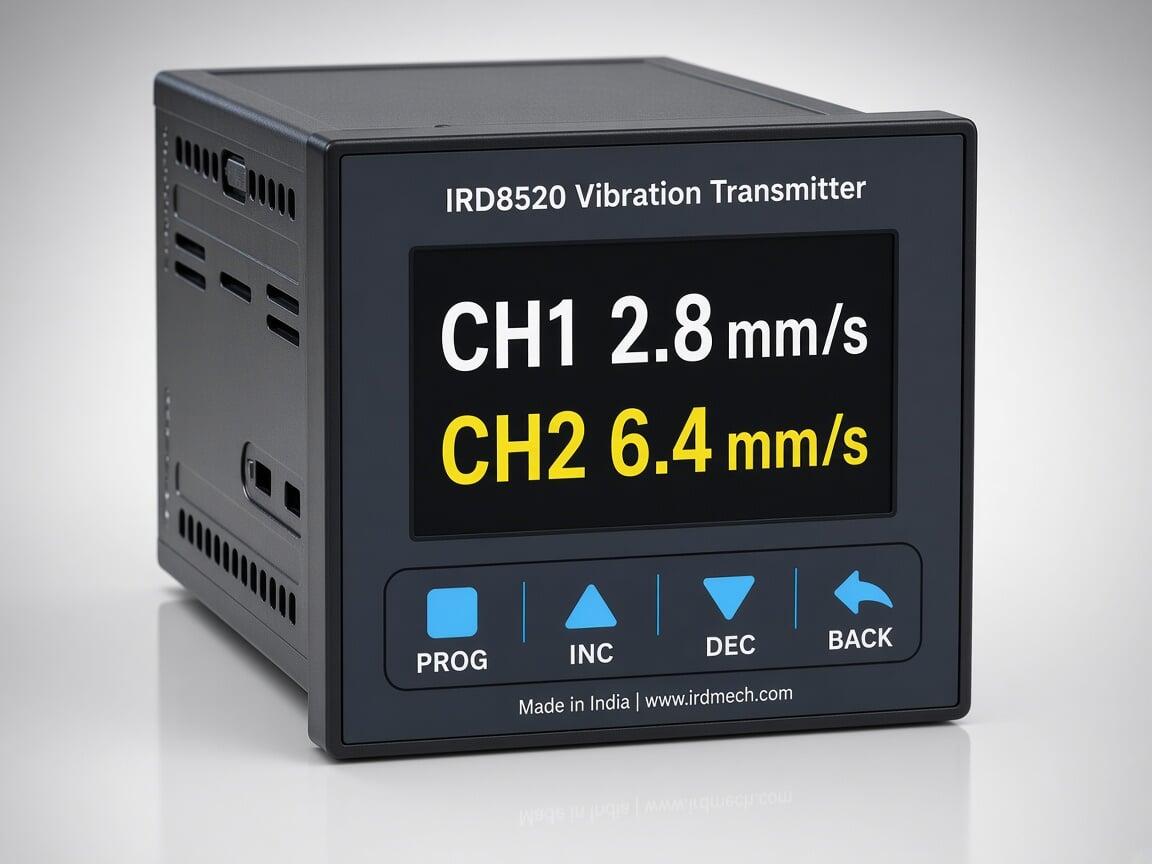
High 1×/2× and axial vibration between the driver, bull gear and compressor stage. Monitor driver and compressor together with the dual-channel IRD8520.
Screw rotor bearing wear
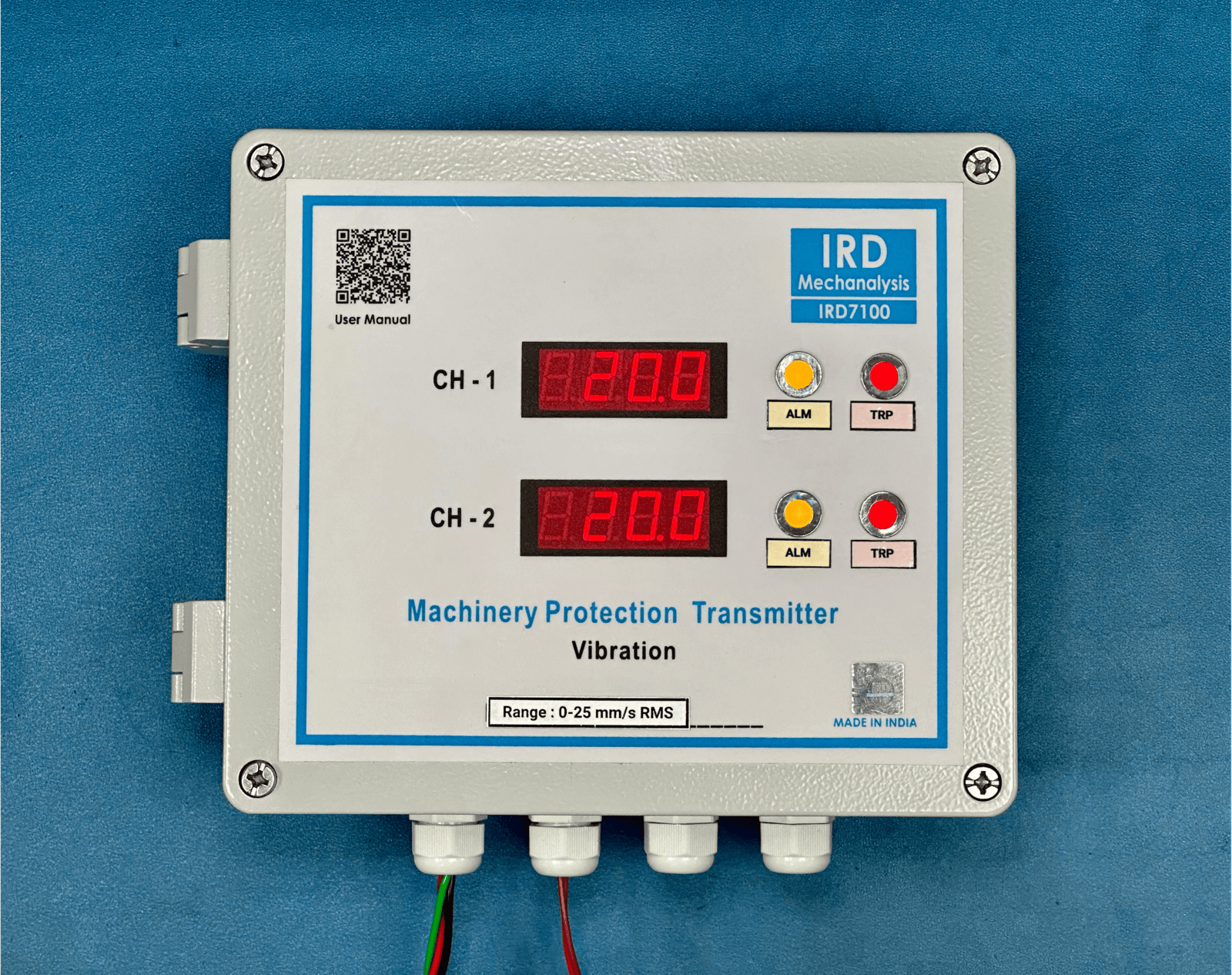
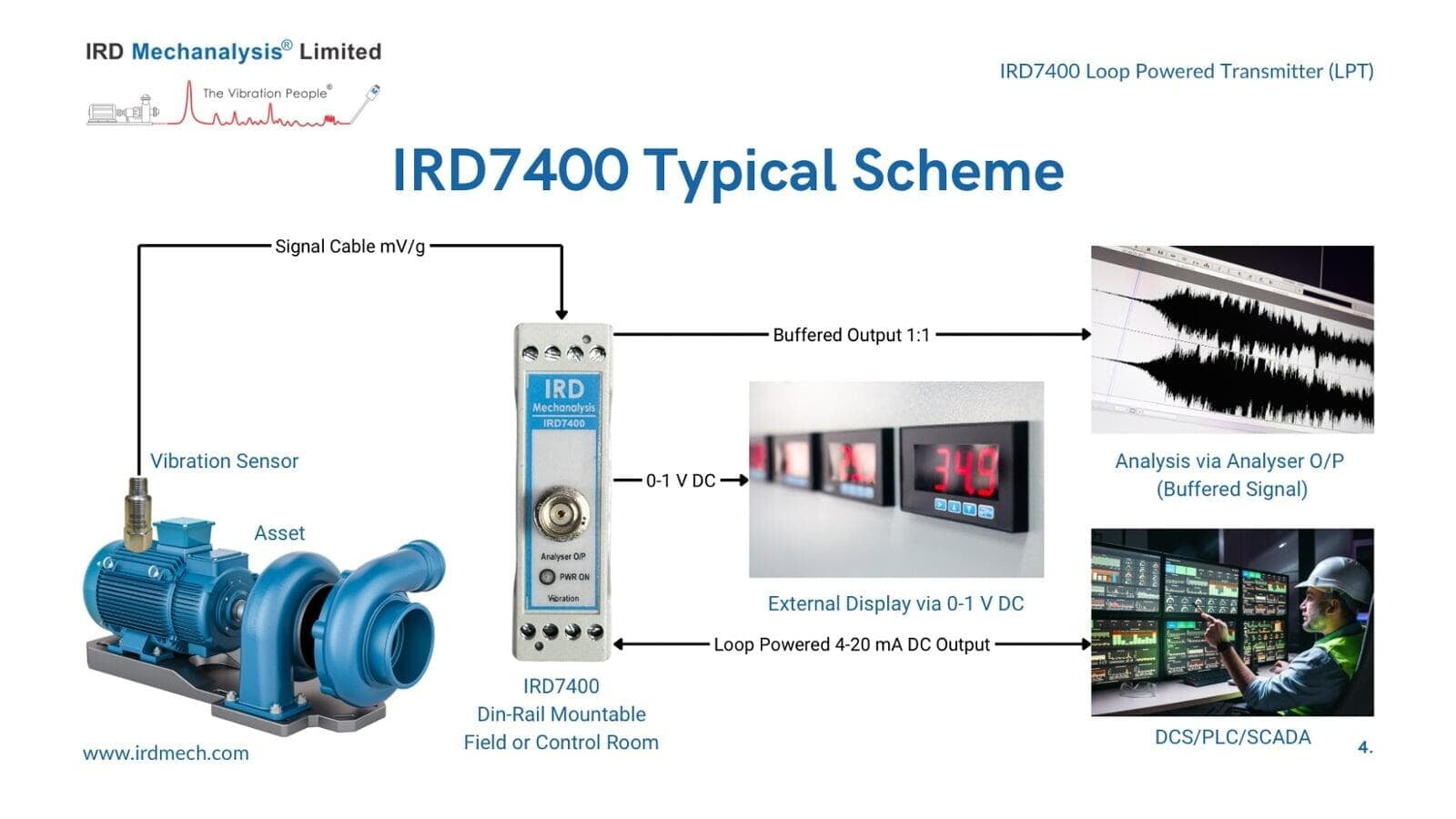
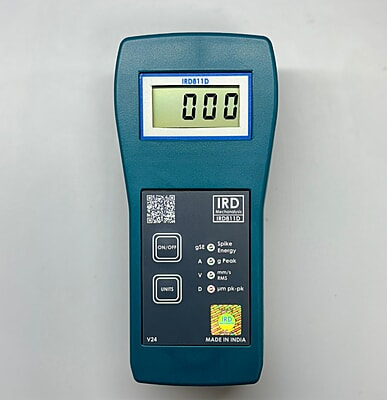
Rising high-frequency energy on screw-element thrust and radial bearings. Spike-energy checks with the IRD811D; continuous protection with IRD7200.
Discharge pulsation (reciprocating)
Valve faults and pulsation show as harmonics of running speed and loose-frame symptoms. Online trending with OLIVER and IRD Cloud shows the step change.
Surge / rotating stall
Low-frequency, intermittent bursts when flow drops toward the surge line. Continuous 4-20 mA and relays to the anti-surge or DCS logic help operators act before a trip.
Oil whirl / whip and phase reference
Sub-synchronous (0.4–0.48×) shaft vibration on journal bearings, read with eddy-current probes and a key phaser on IRD8800 for large process compressors.
Online monitoring products for compressors



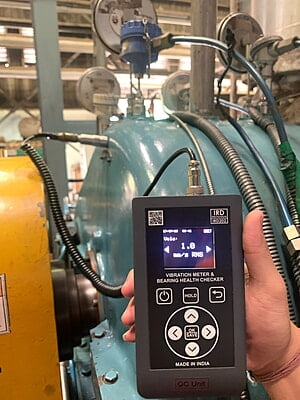
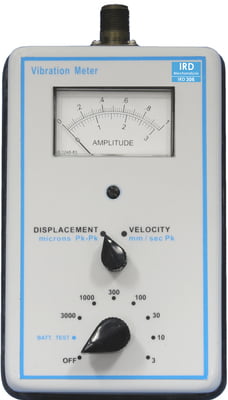
Portable instruments for compressor route checks
Related machines
Vibration monitoring of motors
The driver behind the compressor; different faults, separate page.
Vibration monitoring of pumps
Centrifugal and vertical pumps.
Fans & blowers
Monitoring for fans and blowers.